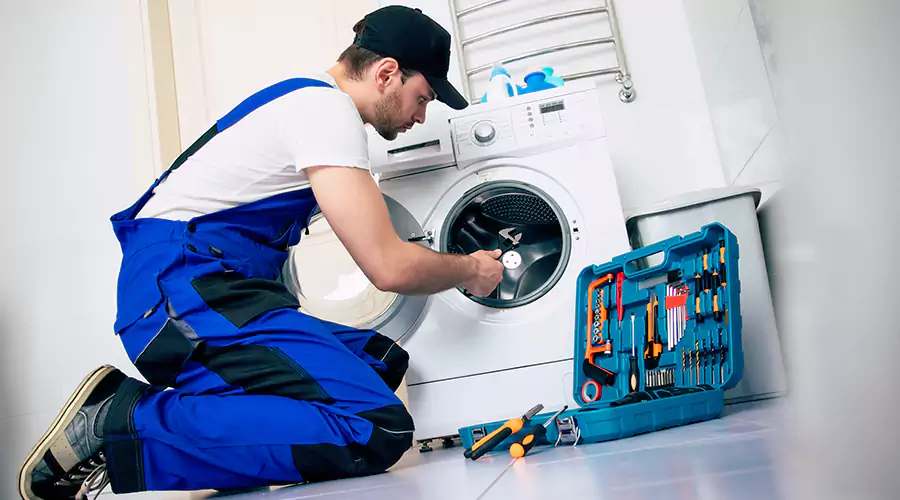
A washer can disrupt the whole household when it stops spinning or draining. Clothes may come out soaked, cycles may stop early, plus water may stay inside the drum after the wash ends.
Washer repair helps homeowners fix drainage, spin, motor, belt, switch, pump, plus control issues before the machine suffers more damage. Fast service can protect flooring, reduce laundry delays, plus restore normal performance.
Why Washer Spin Problems Matter?
Many homeowners notice a washer not spinning issue when clothes come out heavy with water. This problem can happen because of an unbalanced load, worn belt, faulty lid switch, weak motor, or control failure.
Frequent spin trouble puts extra stress on the drum plus internal parts. If the washer cannot complete the spin cycle, service should happen before the problem gets worse.
Why Washer Drain Problems Need Attention?
A washer not draining issue can leave standing water inside the tub after a cycle. Common causes include a clogged drain hose, blocked pump filter, failed drain pump, or electrical fault.
Standing water can create odors, mold growth, plus laundry delays. Homeowners should avoid running repeated cycles until the drainage problem is inspected.
When the Washer Stops Completely?
A washer stopped working situation may come from power failure, a bad door lock, damaged control board, failed motor, or internal wiring issue. Basic checks may include the outlet, breaker, cycle setting, plus power cord.
If the unit still will not respond, a trained technician should inspect it. Internal electrical parts need safe testing before any repair decision is made.
Clothes Stay Wet After the Cycle
A washer leaving clothes wet usually means the machine did not drain or spin correctly. This can happen when the washer stops before the final spin or cannot remove water from the drum.
Wet clothes also create more work for the dryer. A repair visit can help find whether the problem comes from drainage, load balance, motor speed, or spin cycle failure.
Drain Pump Problems
A washer drain pump problem can stop water from leaving the machine. The pump may clog with lint, coins, small clothing items, or debris from the wash load.
Pump failure can also make the washer hum without draining. A technician can inspect the pump, clear blockages, test power, plus replace the part if needed.
Lid Switch Problems
A washer lid switch problem can prevent the machine from spinning for safety reasons. Many washers will not spin if the system thinks the lid is open.
This issue may cause the washer to fill, wash, then stop before the spin cycle. A technician can test the switch plus confirm whether it sends the right signal.
Belt Problems
A washer belt problem can stop the drum from spinning with enough force. A worn, loose, cracked, or broken belt may cause weak movement, squealing sounds, or no spin at all.
Belt issues often get worse with continued use. Replacing the belt early can help prevent strain on the motor plus pulley system.
Motor Problems
A washer motor problem can affect spinning, agitation, drainage, or full cycle performance. Warning signs may include humming, burning smells, failure to start, or sudden shutdowns.
Motor repairs need careful diagnosis because other parts can create similar symptoms. A technician can test the motor, wiring, capacitor, plus control signals before recommending repair.
Control Board Issues
A washer control board issue can cause the machine to stop mid-cycle, skip steps, display error codes, or fail to spin. The control board manages timing, water flow, drain commands, plus motor operation.
Electrical problems should not be guessed. Professional testing helps confirm whether the board failed or another part is causing the issue.
Noisy Washer Operation
A washer making noise may point to loose objects, worn bearings, bad shocks, damaged suspension rods, or drum trouble. Banging, grinding, squealing, or scraping sounds deserve attention.
Noise during a spin cycle can lead to more serious damage if ignored. A technician can inspect moving parts before the washer becomes unsafe to use.
Shaking During Spin
A washer shaking during spin can happen when the load is uneven, the machine is not level, or suspension parts are worn. Heavy vibration can damage flooring, hoses, walls, plus internal components.
Leveling the machine may help if the issue is minor. If shaking continues with normal loads, the washer needs inspection.
Washing Machine Spin & Drainage Issues
| Symptom | Primary Areas to Inspect | Likely Mechanical Cause |
|---|---|---|
| Clothes Stay Wet | Drainage & Spin System | Clogged pump, lid switch, or motor/belt failure. |
| Water Will Not Drain | Pump & Drain Line | Blocked drain pump, kinked hose, or debris (lint/coins). |
| Cycle Fails to Finish | Control System & Sensors | Control board fault, lid lock/switch, or drainage error. |
| Noisy Spin Cycle | Drum & Suspension | Worn bearings, bad shock absorbers, or broken suspension rods. |
| Heavy Shaking | Leveling & Stability | Uneven leveling feet or worn internal shock absorbers. |
| No Spin Force | Motor & Drive System | Broken/worn belt, faulty clutch, or motor failure. |
Cycle Fails to Finish
A washer cycle not finishing can result from drainage failure, sensor trouble, lid lock issues, motor problems, or control board faults. The machine may pause, flash an error code, or shut off before the clothes are clean.
Repeated cycle failure usually means one system is not responding correctly. A professional diagnosis can find the failed step in the wash process.
Water Will Not Drain
A washer water not draining issue can come from clogged hoses, a blocked pump, kinked drain line, or faulty pump motor. Sometimes the problem appears only during larger loads.
Water left inside the drum should be handled quickly. Delayed repair can create odors plus increase the chance of water damage.
Spin Cycle Failure
A washer spin cycle problem can make laundry feel unfinished even after a full wash. The washer may drain but fail to spin fast enough to remove water from the clothes.
This problem may involve the belt, motor, lid switch, clutch, drive system, or electronic controls. A technician can identify the exact cause through testing.
Washing Machine Service Support
Professional washing machine repair gives homeowners a safer way to fix washer problems without guessing. A technician can inspect the unit, test parts, explain the issue, plus complete the needed repair.
Reliable washer repair services can help with drainage issues, spin failures, leaks, noises, electrical faults, plus cycle problems. Clear service helps homeowners understand what caused the breakdown.
Why Professional Repair Matters?
Skilled professional washer repair reduces the risk of repeated failures. A trained expert can test the pump, belt, motor, switch, controls, hoses, plus drain system before replacing parts.
Quality home washer repair also keeps the service convenient. Large washers are difficult to move, so in-home inspection helps the technician evaluate the unit where it is installed.
Residential Washer Repairs
Trusted residential washer repair focuses on the needs of everyday households. A washer failure can affect school clothes, work uniforms, towels, bedding, plus weekly laundry routines.
A qualified appliance repair technician can check the washer safely plus explain whether the repair is simple, moderate, or more serious. This helps homeowners make a better repair decision.
Troubleshooting Before Service
Basic washer troubleshooting can help rule out simple causes. Check the following options carefully:
- Load balance and distribution within the drum
- Drain hose positioning and flow
- Power supply and breaker status
- Lid closure and latching mechanisms
- Cycle settings selection
- Visible hose kinks or damage
Homeowners should avoid opening panels or touching wiring. If the washer still fails to drain or spin, professional service is the safer next step.
Broken Washer Repair Options
Timely broken washer repair can prevent small part failures from creating bigger problems. A drain pump, belt, switch, or valve may cost less to fix than replacing the full washer.
Service becomes more urgent when water stays in the drum, the washer shakes badly, or the motor smells hot. Fast attention can reduce property damage plus appliance strain.
Same Day Washer Service
Helpful same day washer repair may be needed when laundry piles up or water remains inside the machine. Fast service can restore the washer sooner plus help prevent odors from standing water.
Same day support also helps when the problem affects flooring or creates a leak risk. A technician can diagnose the issue quickly, then explain repair options.
Finding Local Help
Searching for washer repair near me can help homeowners find nearby service when the washer fails. Local repair support may offer faster scheduling plus better familiarity with common washer problems in the area.
A reliable provider should communicate clearly, offer practical guidance, plus explain the expected repair cost before major work begins. Clear answers help homeowners feel confident about the next step.
Final Thoughts
A washer that will not spin or drain usually shows warning signs before it fails completely. Wet clothes, standing water, loud noises, shaking, error codes, plus unfinished cycles all deserve attention.
Professional repair can restore performance, protect your home, plus reduce the chance of larger damage. If basic checks do not solve the issue, schedule a qualified technician before the washer problem gets worse.